Living In Historic Lewes Versus Newer Communities
July 9, 2026
July 9, 2026
Are you torn between the charm of old Lewes and the convenience of a newer neighborhood? You are not alone. Many buyers love the idea of coastal Delaware living, but the right fit often comes down to how you want your everyday life to feel. This guide will help you compare Historic Lewes and newer communities around Lewes so you can make a more confident move. Let’s dive in.
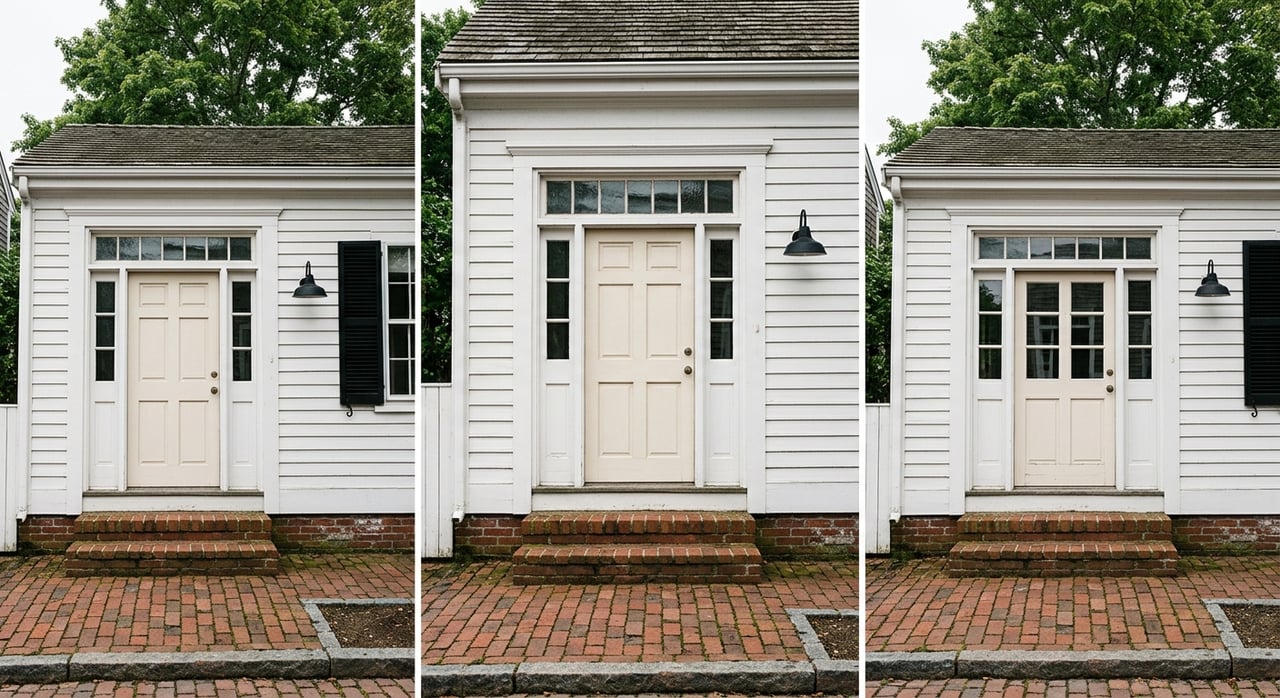
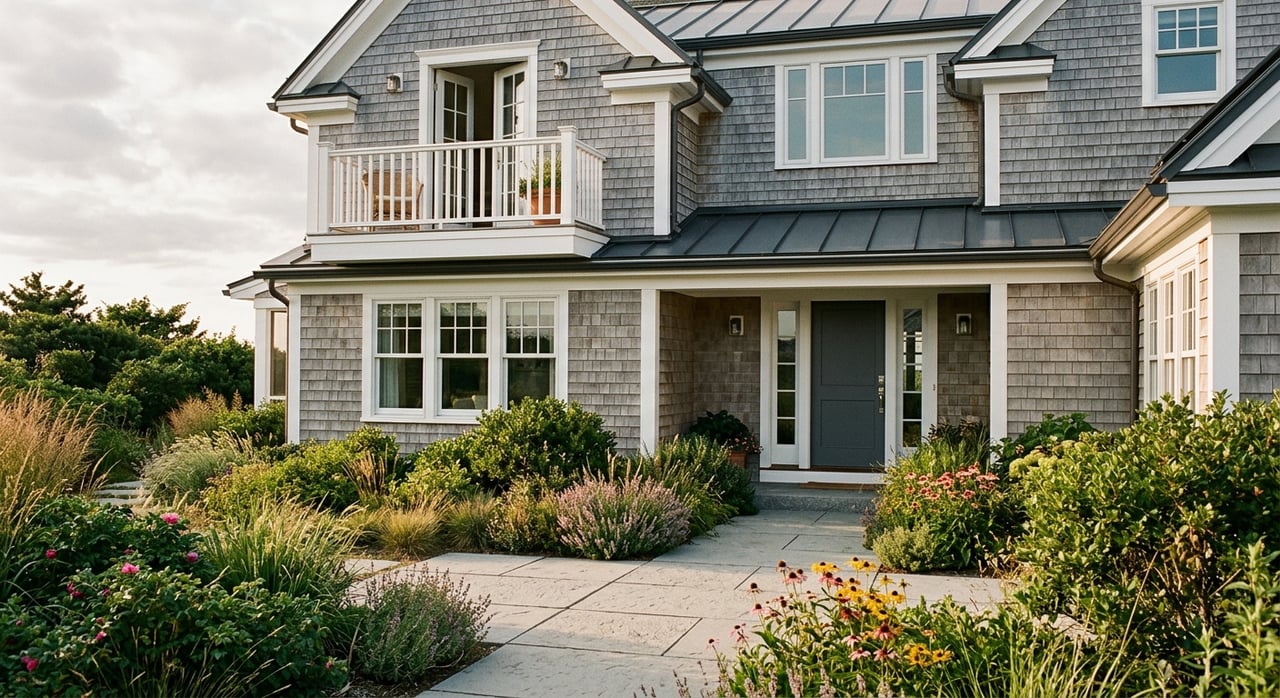
Historic Lewes offers a setting shaped by architecture, walkable streets, and a long connection to the sea. The city highlights its human-scale feel, architectural preservation, and the practical ability to bike or walk to downtown shops, restaurants, cultural institutions, historic sites, and beaches.
The historic district is a major part of Lewes identity. According to Historic Lewes, the district was established in 1977 and now includes 629 contributing buildings and sites. The area reflects architectural styles across nearly four centuries, with expansions over time that include places like Shipcarpenter Square and Jefferson Court.
For many buyers, that means daily life feels close-in and connected. You may be able to walk or bike to downtown destinations, enjoy access to Lewes Beach, and spend time near the Lewes-Rehoboth Canal or Cape Henlopen State Park.
Newer communities around Lewes offer a different version of coastal living. Instead of historic streets and preservation-focused homes, these neighborhoods often center on newer construction, planned amenities, and HOA-managed common areas.
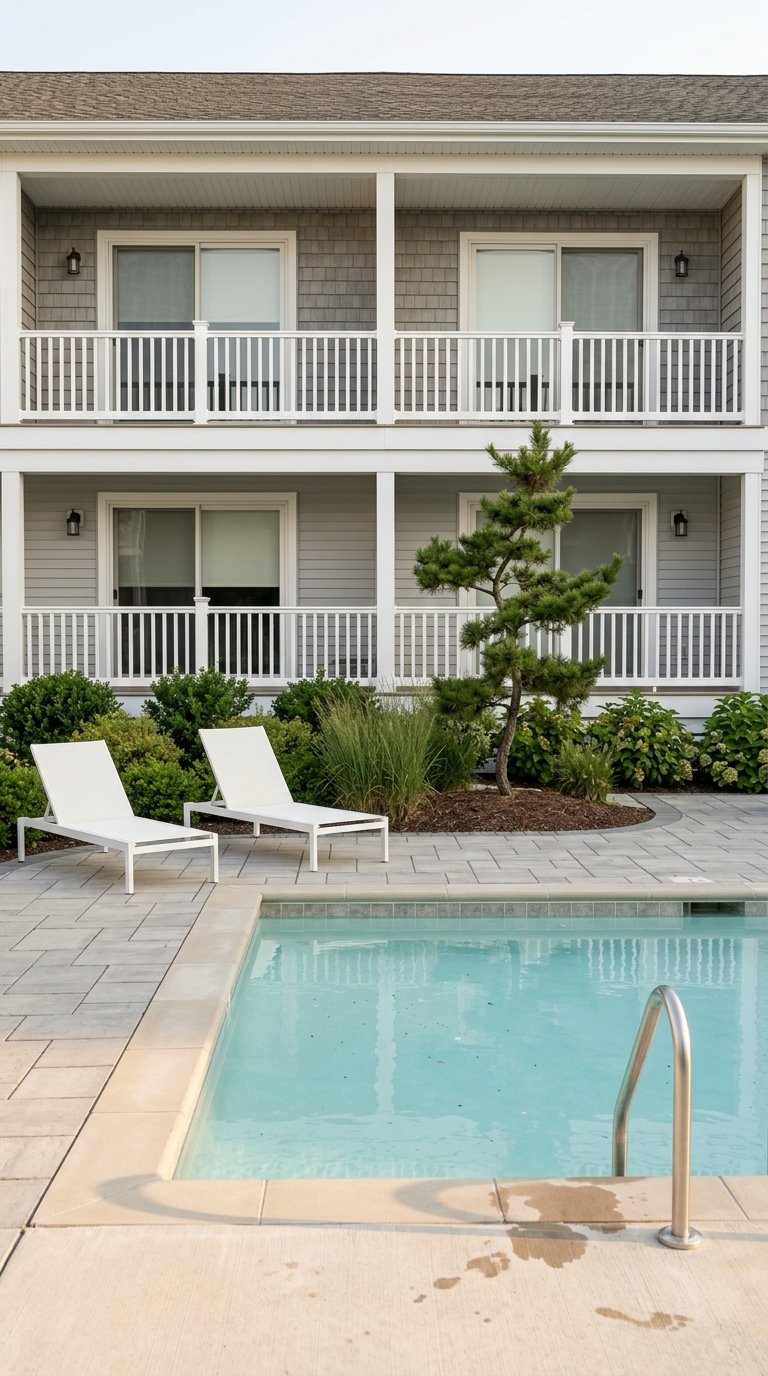
That does not mean every community is the same. Some neighborhoods are all-ages, while others are 55+ active-adult communities. What many share is a lifestyle package that may include pools, clubhouses, fitness spaces, walking trails, and neighborhood architectural standards.
Examples in the Lewes area show that pattern clearly. Community information for neighborhoods such as Showfield, Olde Town at Lewes, Senators, and Bay Crossing points to amenities like trail access, clubhouses, outdoor pools, exercise rooms, and shared gathering spaces.
If you picture yourself stepping out the door and heading into town on foot or by bike, Historic Lewes may feel especially appealing. The city supports this lifestyle with downtown bike racks, a bike corral, and transportation guidance that emphasizes walking and biking as practical ways to get around.
Lewes also describes itself as a bronze-level bicycle friendly community. That supports the car-light routine many buyers want when they imagine living near the historic core.
The atmosphere is often about proximity and character. You are choosing older streets, established architecture, and a setting where downtown, the waterfront, and local destinations are part of the rhythm of everyday life.
Newer communities around Lewes usually create a more structured residential experience. Rather than centering daily life on the historic street grid, they often organize it around neighborhood amenities and shared spaces.
For some buyers, that is exactly the goal. You may prefer newer floor plans, common-area maintenance, and built-in recreation options such as a pool, clubhouse, fitness room, or trail network.
Some newer neighborhoods are still quite close to downtown Lewes and the beach. For example, community materials for Senators describe it as east of Route 1, about two miles from Lewes Beach, and a short bike ride to downtown Lewes.
When you compare Historic Lewes versus newer communities, you are usually choosing between two different daily routines.
Historic Lewes tends to fit buyers who want direct access to town life. You may value the ability to walk or bike to restaurants, shops, historic sites, and the waterfront more than having neighborhood amenities close to home.
Newer communities tend to fit buyers who want a contained lifestyle package. You may care more about having a pool, clubhouse, walking trails, and a newer home than living within the historic street pattern.
Neither choice is better across the board. The right answer depends on whether you want your life centered around downtown Lewes or around the features inside the community where you live.
One of the biggest practical differences is how each setting handles property changes.
In Historic Lewes, exterior changes visible from the public right of way may require approval through the city’s Historic Preservation Architectural Review Commission, known as HPARC. The city notes that a building permit application triggers review if the property is inside the historic district.
That matters if you are thinking about renovations, additions, or exterior updates. Historic character comes with a preservation process, and that process is part of owning in the district.
Newer communities also have rules, but they are usually handled through HOA covenants and architectural review committees. Community materials for Showfield, for example, describe HOA coverage for common-ground maintenance, roads, street lights, irrigation, snow removal, pool, clubhouse, and trail access, along with architectural review.
If getting around without relying heavily on a car is important to you, this is a key comparison point.
Historic Lewes has a clear advantage for buyers who want to walk or bike to daily destinations. The city specifically points to biking and walking as practical ways to reach downtown shops, restaurants, cultural institutions, and historic sites.
Newer communities can still offer strong bike access, especially those connected to local trails or located near downtown. Still, many are designed around neighborhood living first, with access to amenities inside the community rather than a fully mixed-use downtown environment right outside your door.
Maintenance is another area where your preferences matter.
In a historic setting, you may be taking on an older home with more individual upkeep decisions over time. The benefit is character and location. The tradeoff can be a homeownership experience that feels less standardized.
In a newer community, the appeal is often more predictability. Shared maintenance of common areas, roads, lighting, or amenities may be handled through the HOA, depending on the neighborhood.
That does not mean maintenance disappears. It means some responsibilities may be structured differently, and your monthly budget may reflect that through HOA dues.
Historic Lewes may be a strong fit if you want a close-in lifestyle with architectural character and easier access to downtown, the beach, and local landmarks. It often appeals to buyers who care deeply about place, routine, and being part of Lewes’s historic fabric.
A newer community may be a better fit if you want modern construction, neighborhood amenities, and a more managed living environment. It can also be a smart choice if you want trail access, community gathering spaces, or a lower-maintenance feel in your day-to-day life.
If you are deciding between the two, it helps to compare more than just the home itself. Think about how you want to spend your mornings, weekends, and everyday errands. In Lewes, lifestyle fit is often just as important as square footage.
If you are weighing Historic Lewes against newer communities, local guidance can make the comparison much clearer. Linda Lea Rosatelli can help you narrow your options, understand neighborhood differences, and find the Lewes lifestyle that fits you best.
Linda delivers a refined, results-driven experience from start to finish. Her commitment ensures every detail is managed with care. Experience real estate done right.

Linda Rosatelli
19323 Lighthouse Plaza Rehoboth Beach, DE 19971